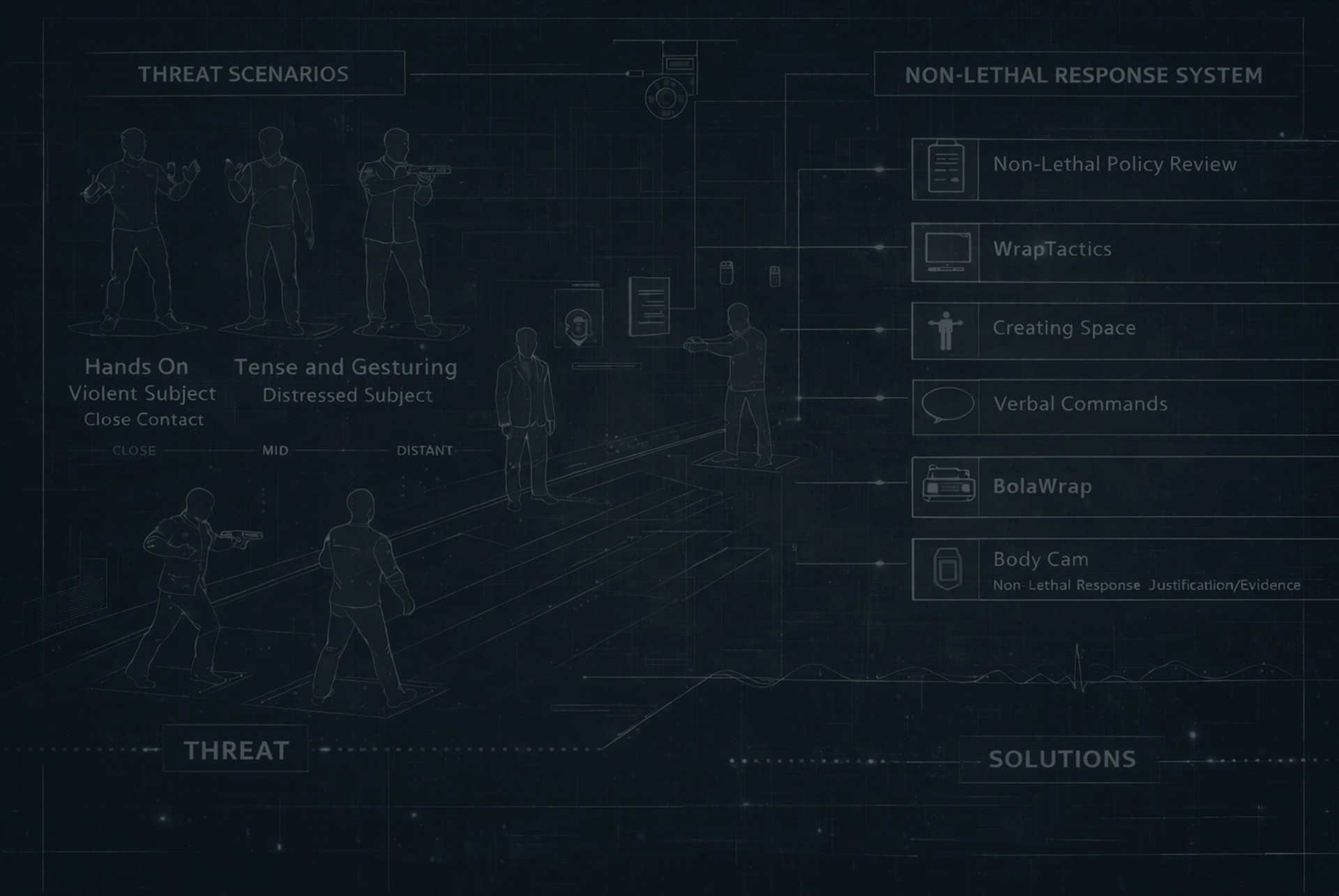
The Non-Lethal Response System

A Non-Lethal Response system is a foundational layer of proactive lawful control. It gives officers time, space, and tactical advantage to reduce injury and retain control while preserving the ability to escalate when necessary.

Explore the Non-Lethal Response System

Contact Wrap

Non-Lethal Response Is a System, Not a Single Tool

Non-Lethal Response is not a device, tactic, or single moment. It is an integrated operational layer designed to bridge the gap between de-escalation and lethal force.

WRAP’s Non-Lethal Response system combines perception, human decision-making, lawful authority, distance-based control, training, and accountability into a unified framework that supports safer outcomes under real-world stress.

Policing involves unpredictable encounters. Not every situation can be de-escalated. When escalation occurs, officers must retain full authority and access to higher levels of force. A Non-Lethal Response system supports safer outcomes when possible—without limiting decisive action when required.

Perception through sight, sound, and sensation

Human decision-making and lawful authority

Distance-based control before close contact

Training and policy reinforcement under stress

Accountability, review, and performance data

THE NON-LETHAL RESPONSE FRAMEWORK

Preventing Escalation Before Force is Required

Preventing Escalation Before Force is Required

Most encounters do not require lethal force. When de-escalation depends on cooperation, it often fails at close contact distance, where most serious injuries occur. In these moments, lethal force is not justified, yet going hands-on creates extreme risk for officers and subjects alike.

This gap produces unnecessary danger, irreversible outcomes, and decisions driven by reaction rather than control. Non-Lethal Response exists to close this gap, enabling officers to gain lawful control earlier without placing themselves at a tactical disadvantage.

  • De-escalation cannot be forced and often breaks down under stress

  • Most serious injuries occur at close contact distance

  • Officers deserve better tools for high-frequency, everyday resistance

  • Non-lethal expands options — it does not replace lethal force

  • De-escalation cannot be forced and often breaks down under stress

  • Most serious injuries occur at close contact distance

  • Officers deserve better tools for high-frequency, everyday resistance

  • Non-lethal expands options — it does not replace lethal force

  • De-escalation cannot be forced and often breaks down under stress

  • Most serious injuries occur at close contact distance

  • Officers deserve better tools for high-frequency, everyday resistance

  • Non-lethal expands options — it does not replace lethal force

How Non-Lethal Response Prevents Escalation

The Science Behind the NLR System

Hicks Law: https://www.forcescience.com/2025/10/the-limits-of-hicks-law-split-second-police-decisions/
The Tueller 21 foot rule: https://www.usconcealedcarry.com/blog/rule-breaker-the-21-foot-standard-is-misunderstood/

Hicks Law: https://www.forcescience.com/2025/10/the-limits-of-hicks-law-split-second-police-decisions/
The Tueller 21 foot rule: https://www.usconcealedcarry.com/blog/rule-breaker-the-21-foot-standard-is-misunderstood/

The 21-Foot Rule illustrates that it takes an average officer about 1.7 seconds to draw and fire a weapon, which is roughly the same amount of time it takes for a person armed with a knife to cover a distance of 21 feet from a standing start.

This means officers often have less than two seconds to assess the situation and decide whether to use force when faced with an advancing suspect at that distance.

The 21-Foot Rule illustrates that it takes an average officer about 1.7 seconds to draw and fire a weapon, which is roughly the same amount of time it takes for a person armed with a knife to cover a distance of 21 feet from a standing start.

This means officers often have less than two seconds to assess the situation and decide whether to use force when faced with an advancing suspect at that distance.

The 21-Foot Rule illustrates that it takes an average officer about 1.7 seconds to draw and fire a weapon, which is roughly the same amount of time it takes for a person armed with a knife to cover a distance of 21 feet from a standing start.

This means officers often have less than two seconds to assess the situation and decide whether to use force when faced with an advancing suspect at that distance.

System Components Designed to Work Together

WRAP’s capabilities are purpose-built components of the Non-Lethal Response system. Each plays a defined role within the ecosystem, supporting lawful control, decision-making, and accountability.
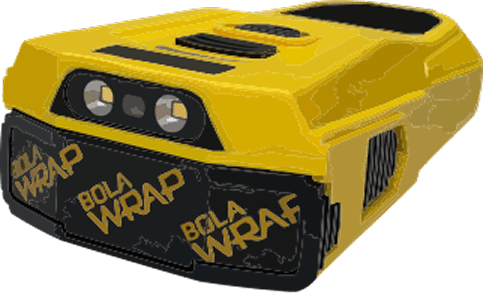
BolaWrap®

BolaWrap®

BolaWrap®

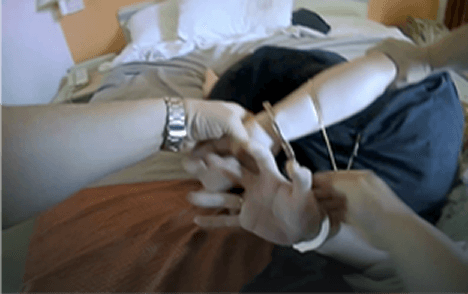
Distance-based non-lethal restraint supporting control without strikes, shocks, or pain compliance.

How BolaWrap Supports Non-Lethal Response

How BolaWrap Supports Non-Lethal Response

How BolaWrap Supports Non-Lethal Response

WrapReality™

WrapReality™

WrapReality™

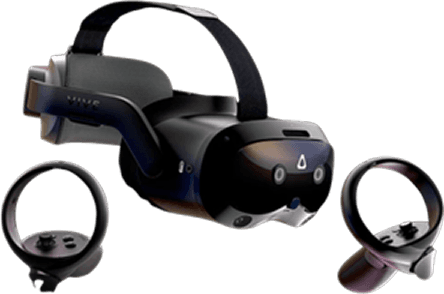
Immersive training that reinforces lawful decision-making under stress.

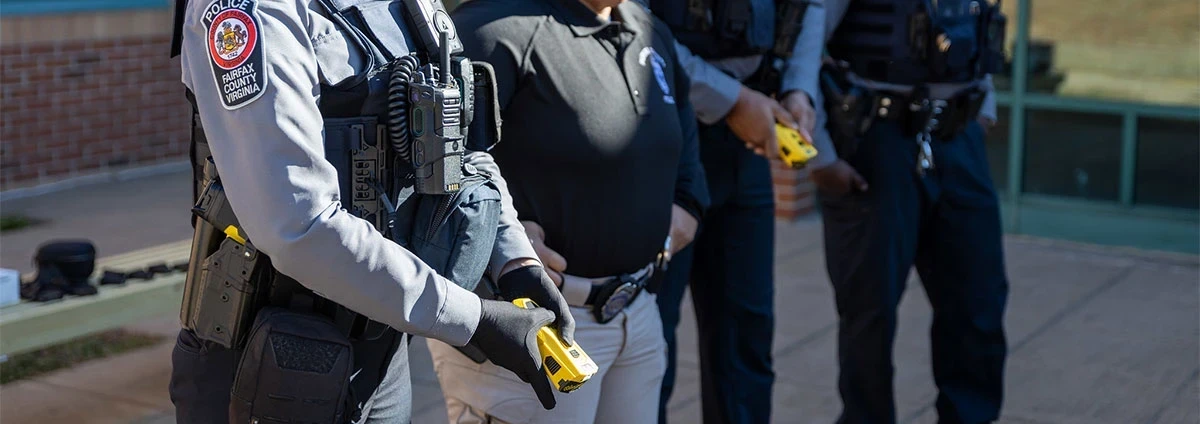
Training for Non-Lethal Response

Training for Non-Lethal Response

Training for Non-Lethal Response

WrapTactics™

WrapTactics™

WrapTactics™

Policy-aligned digital training ensuring consistency beyond the classroom.

Policy Reinforcement at Scale

Policy Reinforcement at Scale

Policy Reinforcement at Scale

WrapVision™

WrapVision™

WrapVision™

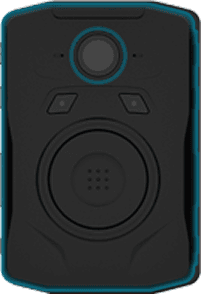
Body-worn cameras and evidence management supporting accountability and review.

Accountability Within Non-Lethal Response

Accountability Within Non-Lethal Response

Accountability Within Non-Lethal Response

MERLIN-Interdictor

MERLIN-Interdictor

MERLIN-Interdictor

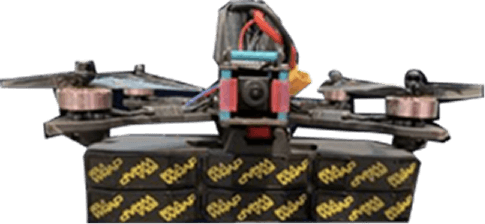
Transform any drone from passive observer to active life-saver.

Accountability Within Non-Lethal Response

Accountability Within Non-Lethal Response

Accountability Within Non-Lethal Response

Built for Lawful Outcomes and Public Trust

Built for Lawful Outcomes and Public Trust

Non-Lethal Response enables officers to act proactively rather than reactively, preserving distance, reducing risk, and minimizing irreversible decisions made under deteriorating conditions.

By standardizing control in the gray space, agencies may improve officer safety, strengthen community trust, and reduce long-term liability without compromising lawful escalation when conditions require it.

Proactive control over reactive outcomes

Officer safety and community trust over optics

Integrated systems over isolated tools

View Agency Deployment & Outcomes

A Future-Ready Non-Lethal Response Platform

WRAP’s Non-Lethal Response system serves as the foundation for future public safety operations, integrating non-lethal control, training, accountability, and emerging technologies into a unified platform designed to scale responsibly.

Explore the Non-Lethal Response Platform

“Non-Lethal Response does not replace lethal force and never restricts lawful escalation when conditions require.”

“Non-Lethal Response does not replace lethal force and never restricts lawful escalation when conditions require.”

“Non-Lethal Response does not replace lethal force and never restricts lawful escalation when conditions require.”